
Expert Tips for Effective Tax Planning: Avoid Common Pitfalls


Tax planning is a crucial aspect of financial management that can help individuals and businesses alike minimize their tax liabilities and maximize savings. However, navigating the complex tax landscape can be challenging, and many fall prey to common pitfalls. To help you steer clear of these mistakes, we've compiled expert tips for effective tax planning.
Understand Your Tax Bracket
One of the first steps in effective tax planning is understanding your tax bracket. Knowing where you fall can help you make informed decisions about deductions, credits, and other tax-saving strategies. Remember, tax brackets are progressive, meaning the rate increases as your income increases. It's essential to consider both federal and state tax brackets to get a complete picture.
Leverage Tax Deductions and Credits
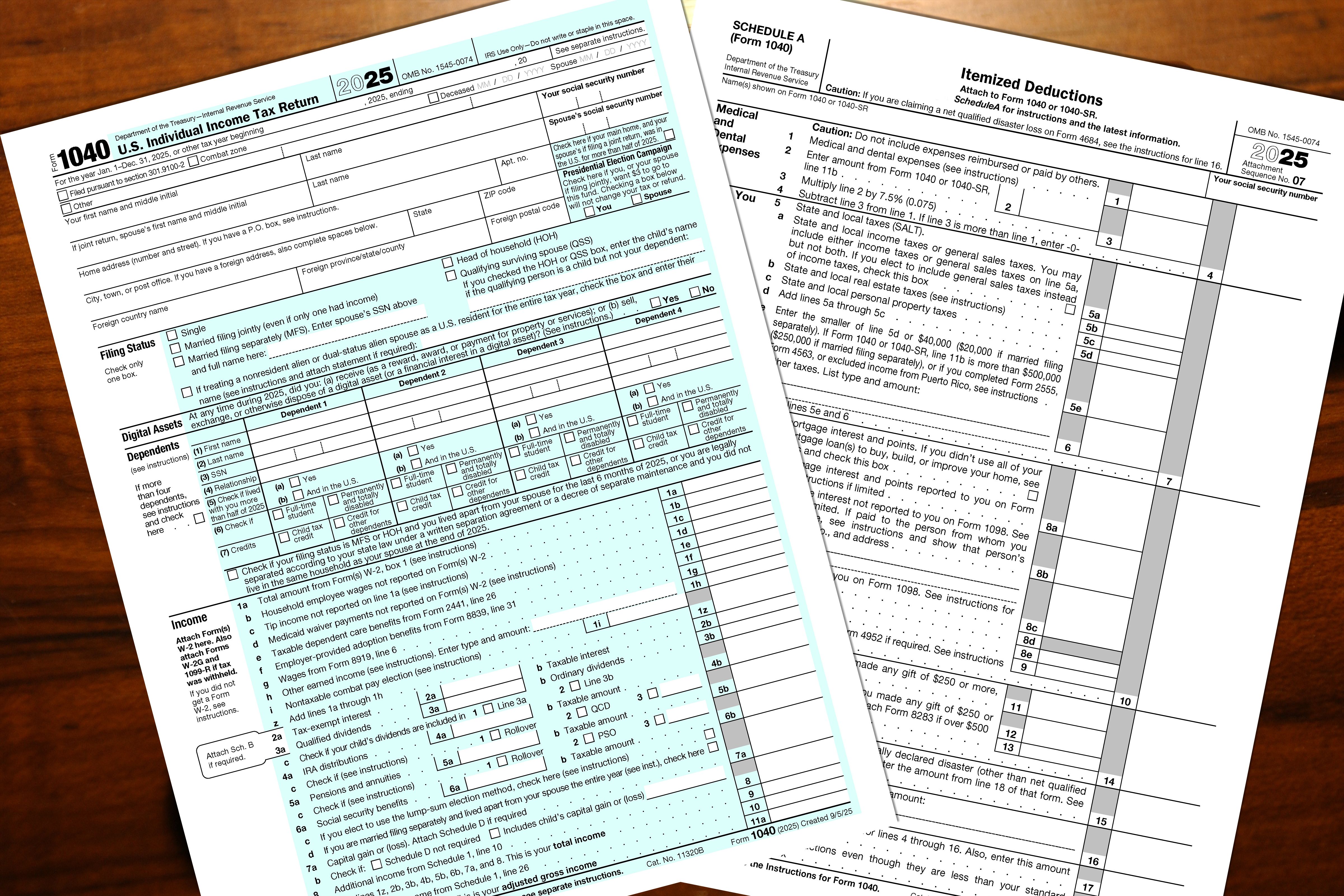
Deductions and credits can significantly reduce your tax liability, but it's crucial to know which ones you're eligible for. Common deductions include mortgage interest, charitable contributions, and medical expenses. Tax credits, such as the Earned Income Tax Credit, can directly decrease the amount you owe. Understanding the difference and how to apply them can lead to substantial savings.
Keep detailed records of all potential deductions and credits throughout the year. This proactive approach will make tax filing smoother and ensure you don't miss out on any opportunities to reduce your tax bill.
Avoid Common Tax Mistakes
Many taxpayers make avoidable mistakes that can lead to higher taxes or even penalties. One common error is underreporting income, which can trigger an audit. Another is failing to keep adequate records of deductible expenses. Ensure you're thorough and accurate in your reporting to avoid these pitfalls.

Plan for Retirement Contributions
Retirement accounts, such as 401(k)s and IRAs, offer excellent tax advantages. Contributions may be tax-deductible, and earnings grow tax-deferred. By maximizing your contributions, you not only prepare for retirement but also reduce your taxable income for the current year. This dual benefit makes retirement accounts a powerful tool in tax planning.
Be aware of the contribution limits and deadlines for these accounts to make the most of the available tax advantages.
Consult with a Tax Professional
While it's possible to manage tax planning on your own, consulting with a tax professional can provide valuable insights and peace of mind. They can help you navigate complex tax laws, identify opportunities for savings, and ensure compliance with all regulations.

Tax professionals are also up-to-date with the latest tax reforms and can offer strategies tailored to your specific financial situation. Investing in their expertise can lead to significant long-term benefits.
Review and Adjust Your Plan Regularly
Tax planning is not a one-time task but an ongoing process. Regularly reviewing and adjusting your plan ensures that you remain aligned with any changes in tax laws and your financial goals. Life events such as marriage, buying a home, or having children can also impact your tax situation, necessitating adjustments to your strategy.
By staying proactive and informed, you can make the most of your tax planning efforts and avoid common pitfalls that might otherwise cost you.