
Investment Advice Services: Beginner's Guide to Financial Success


Understanding Investment Basics
Embarking on your investment journey can be both exciting and daunting. Understanding the basics is crucial for building a solid foundation. The first step is to become familiar with key concepts such as stocks, bonds, mutual funds, and ETFs. These instruments form the backbone of most investment portfolios.
Stocks represent ownership in a company and can offer high returns but come with higher risks. Bonds, on the other hand, are loans to governments or corporations, usually providing more stable returns. Mutual funds and ETFs allow you to invest in a diversified collection of stocks and bonds, reducing risk through diversification.

Setting Financial Goals
Before diving into investments, it's essential to define your financial goals. Are you saving for retirement, a house, or a child's education? Knowing your objectives will help you choose the right investment strategy. Consider the time horizon for each goal, as this will influence your risk tolerance and asset allocation.
Short-term goals might require conservative investments, while long-term goals can afford a higher level of risk. Always ensure your goals are specific, measurable, achievable, relevant, and time-bound (SMART).
Assessing Risk Tolerance
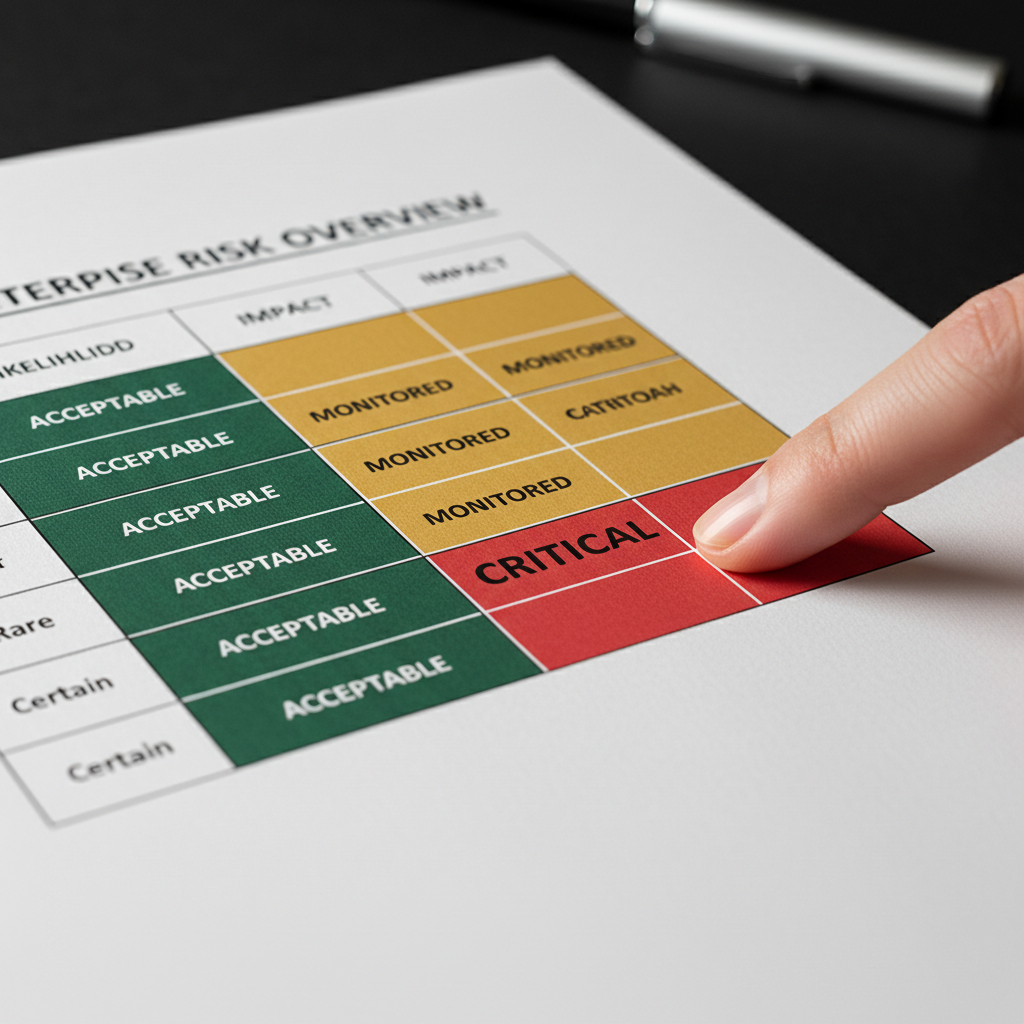
Understanding your risk tolerance is vital to crafting an investment portfolio that suits your needs. Risk tolerance refers to your ability and willingness to endure market fluctuations. Factors like age, income, and financial obligations influence your risk capacity.
A simple way to gauge your risk tolerance is by reflecting on how you felt during past market downturns. If you found it difficult to cope, you might prefer a more conservative approach. Conversely, if you were unperturbed, a more aggressive strategy could be suitable.
Building a Diversified Portfolio
Diversification is a key principle in reducing investment risk. By spreading your investments across various asset classes, industries, and geographies, you can minimize the impact of poor performance in any single area. Aim to include a mix of stocks, bonds, and alternative investments like real estate or commodities.
This approach can protect your portfolio against significant losses and enhance potential returns. Regularly review and adjust your portfolio to ensure it aligns with your goals and risk tolerance.
Seeking Professional Advice
For beginners, seeking professional investment advice can be invaluable. Financial advisors can provide personalized strategies and insights that align with your financial situation and goals. They can help you navigate complex investment options and offer guidance on tax-efficient strategies.
When selecting an advisor, ensure they are qualified and have a fiduciary duty to act in your best interest. This relationship can provide peace of mind, especially in volatile markets.

Continuing Education and Staying Informed
The world of investments is constantly evolving, making it crucial to stay informed about market trends and economic indicators. Regularly read financial news, attend seminars, and consider online courses to enhance your understanding.
Join investment clubs or online forums to discuss strategies and gain insights from fellow investors. Continuous learning will empower you to make informed decisions and adapt to changes in the financial landscape.
Starting with Small Investments
As a beginner, it's wise to start small. Consider using a portion of your savings to test the waters. Many platforms offer fractional shares, allowing you to invest in expensive stocks with minimal capital.
Starting small helps you gain experience and confidence without exposing yourself to significant risk. As you become more comfortable, gradually increase your investment amounts and explore diversified opportunities.

Monitoring and Adjusting Your Strategy
Once your investment plan is in place, regular monitoring is essential. Keep an eye on your portfolio's performance and ensure it aligns with your goals. Market conditions and personal circumstances can change, necessitating adjustments to your strategy.
Review your investments at least annually, assessing whether they continue to meet your objectives. Don't hesitate to make changes if needed, but avoid making impulsive decisions based on short-term market fluctuations.